


Your brand may have a strong website, good reviews, and plenty of content. But what happens when someone asks ChatGPT, Gemini, or Google AI, “Is this brand trustworthy?” or “[Brand] vs [Competitor]?”
The answer is not based only on what your website says.
AI search systems and search engines can find information about your brand across the web. For example, reviews, discussions, creator content, case studies, press coverage, and other public pages can all add context about who you are and what people say about you.
This creates a problem for brands. You can control your website, but you cannot fully control what the rest of the internet says about you.
The solution is not to create fake reviews or flood the web with content designed to manipulate AI responses. Instead, you can encourage genuine customers, creators, employees, and industry voices to share real experiences and useful information about your brand on platforms that search engines can discover.
Here are 5 UGC platforms and channels you can use to build that wider brand information footprint and influence your brand narrative across AI and LLMs.
TL;DR
Genuine UGC can expand your brand’s online footprint beyond your website. Instagram, LinkedIn, Medium, SlideShare, Digital PR, and review platforms like G2, Capterra, and Trustpilot can provide useful third-party context for Google and AI search. The focus should always be on authentic experiences, not manipulating AI responses.
How can UGC platforms influence branded search results across Google and AI?
1. Your website is only one part of the story
Your website can explain what your company does, what your product offers, and why customers should choose you. But if someone searches “Brand reviews” or “Is Brand trustworthy?”, they may also want to see experiences from people who have actually used the product.
A customer might share their experience on LinkedIn. A creator might post about the product on Instagram. Someone might write a detailed review on Medium. Another person might discuss the brand on a community platform.
Now, instead of having information about your brand in one place, there are several independent sources talking about it.
2. There is data behind this
This is not just an SEO theory. Ahrefs studied 75,000 brands and millions of AI Overview responses to see which factors were associated with brand visibility in Google AI Overviews.
- Branded web mentions had the strongest correlation at 0.664.
- For comparison, backlinks correlated at just 0.218.
- Ahrefs also found that brands in the top 25% for web mentions averaged 169 AI Overview mentions, compared with 14 mentions for the next quartile. Brands in the bottom two quartiles averaged only 0 to 3 mentions.
This does not mean that getting more UGC will automatically make AI mention your brand. Correlation does not prove causation, and many other factors can influence AI visibility. But the data does show a strong relationship between how widely a brand is discussed online and how often it appears in AI search results.
3. UGC can give AI more context about your brand
AI systems need information to understand what a brand is, what it offers, and how it is discussed online.
That information does not always come from the brand’s own website.
A customer explaining how they used your software gives a different type of information from your product page. A creator comparing your product with another option gives another perspective. A detailed review can explain things that your marketing copy may not cover.
When these conversations happen across different websites and platforms, they create a wider information footprint around your brand.
👉 Get a free audit report for our ChatGPT SEO services in Dubai
4. The context around the mention matters
Simply getting your brand name mentioned is not the goal. The words and topics that appear around your brand can also help create context.
For example, suppose your website describes your company as an enterprise HR and payroll platform. Customers then publish genuine posts discussing how they use the platform for enterprise HR teams. Industry articles discuss the company in the same category, while creators talk about their experience with its payroll features.
These different pieces of content give search engines and AI systems more context about the brand and the topics associated with it.
5. Think beyond “reviews”
UGC is not limited to customer reviews. It can include a LinkedIn post about using your product, a Medium article explaining someone’s experience, an Instagram post from a creator, a YouTube video, or a discussion on a community platform.
Each piece can answer a different question.
Someone might search “Brand reviews.” Another person might search “Brand vs Competitor.” Someone else might ask “Is Brand good for small businesses?” These searches have different intents, and genuine third party content can provide additional perspectives for each one.
Here are the UGC channels to influence branded searches in AI platforms
1. Instagram posts
Instagram is no longer only about getting people to discover your brand inside the app. Since July 10, 2025, Google and other search engines can also index public posts from eligible Instagram professional accounts.
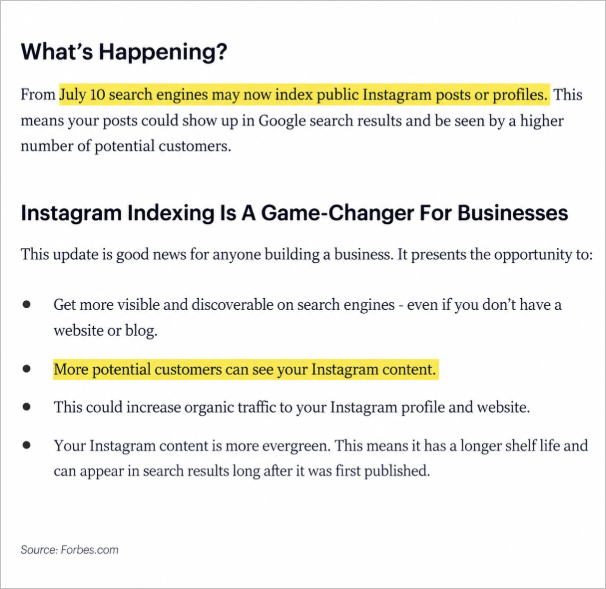
That creates an interesting opportunity for brands. Your Instagram posts can now become another source of information that appears when someone searches for your company.
For example, you can publish a case study, customer testimonial, product experience, service explanation, or even a post answering a common question about your business.
The caption gives search engines actual text to understand. The first sentence is especially worth paying attention to because it can appear as the title in search results.
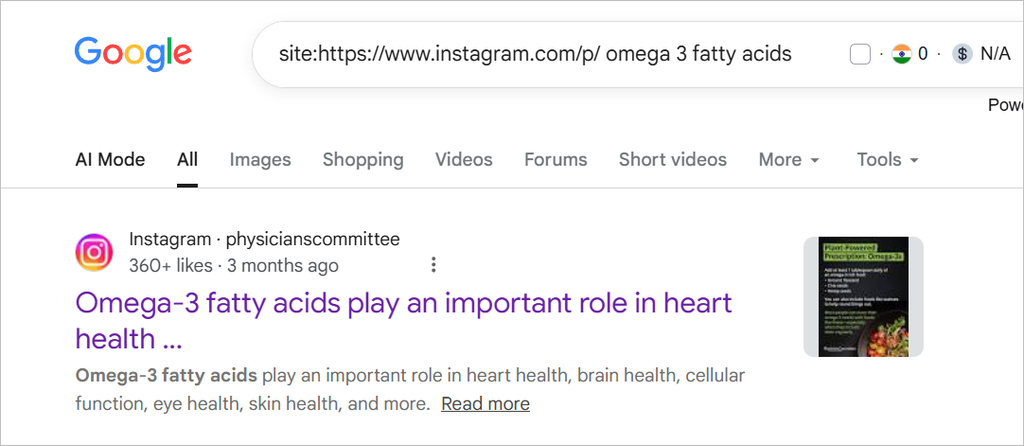
Instead of starting with something generic like “We are excited to share…”, start with the actual topic filled with the right keywords.
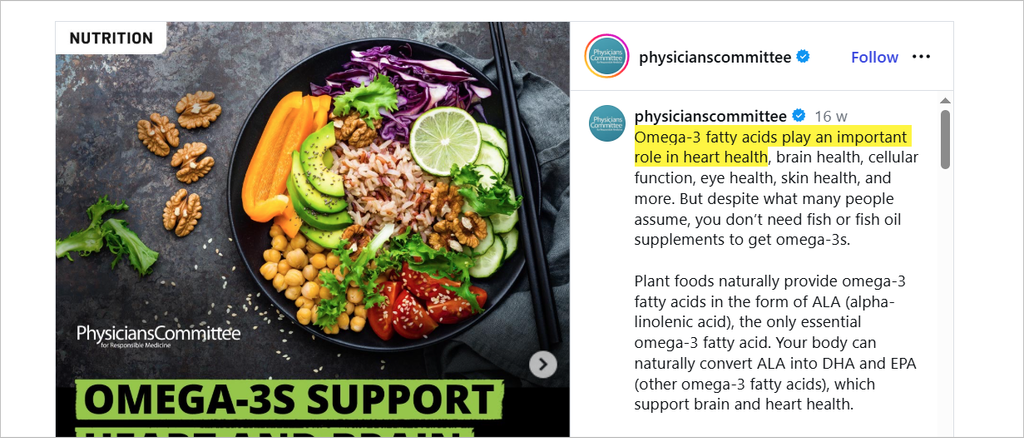
For products, you can also collaborate with creators for this. If someone genuinely uses your product, ask them to share their honest experience on their own Instagram account. A creator talking about how they used your SaaS product is very different from your company publishing another promotional testimonial.
For branded searches such as “[Brand] reviews”, “[Brand] experience”, or “Is [Brand] genuine?”, these independent posts can add another layer of information about the company.
The important part is authenticity. Do not create fake reviews or ask creators to repeat a script. The value comes from having real people talk about your brand in their own words.
2. LinkedIn posts
A founder publishes a detailed post about a client project. Six months later, someone searches the founder’s name along with the company name and finds that post on Google.
This is one of the reasons I see LinkedIn differently from a normal social platform.
Public LinkedIn content can appear in Google, especially detailed posts, articles, and newsletters. You will also sometimes see LinkedIn posts appearing as discussions or forum style results. Here’s an example:
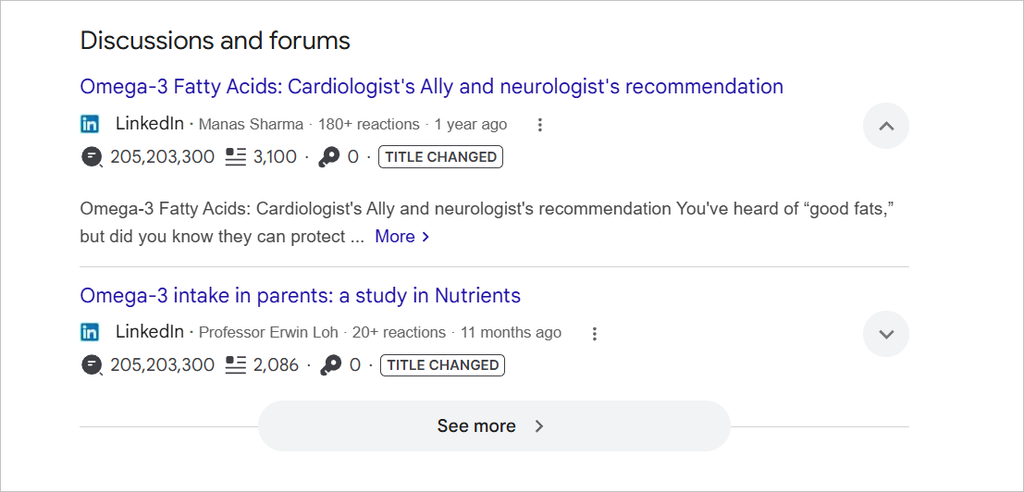
That gives founders and companies another place to build searchable content around their expertise.
Say you run an SEO agency. You could publish a detailed case study explaining how you increased organic traffic for a client. You could explain what you changed, what did not work, and what the final result was. Someone searching for “[Agency] case study” may then find that LinkedIn post alongside your website.
💡 Tip for getting your LinkedIn posts indexed faster: Engagement can help. Posts that receive likes and comments may get more visibility on LinkedIn and may be discovered or crawled faster.
You can also share your LinkedIn posts across your other social media channels to help increase their visibility and encourage faster discovery.
3. SlideShare
SlideShare is one of those platforms that many SEO teams overlook.
Most people think of it as a place to upload a PowerPoint and move on. But there are actually two pieces of content you can work with:
- SlideShare profile
- Individual presentation document you publish
Your SlideShare profile page is a good place to start. Clearly explain what your company does, what you offer, and how you want the brand to be positioned. Keep this description consistent with the brand positioning you use on your website and other company profiles.
Here’s an example we followed with Yomly, where we maintained the same enterprise positioning.
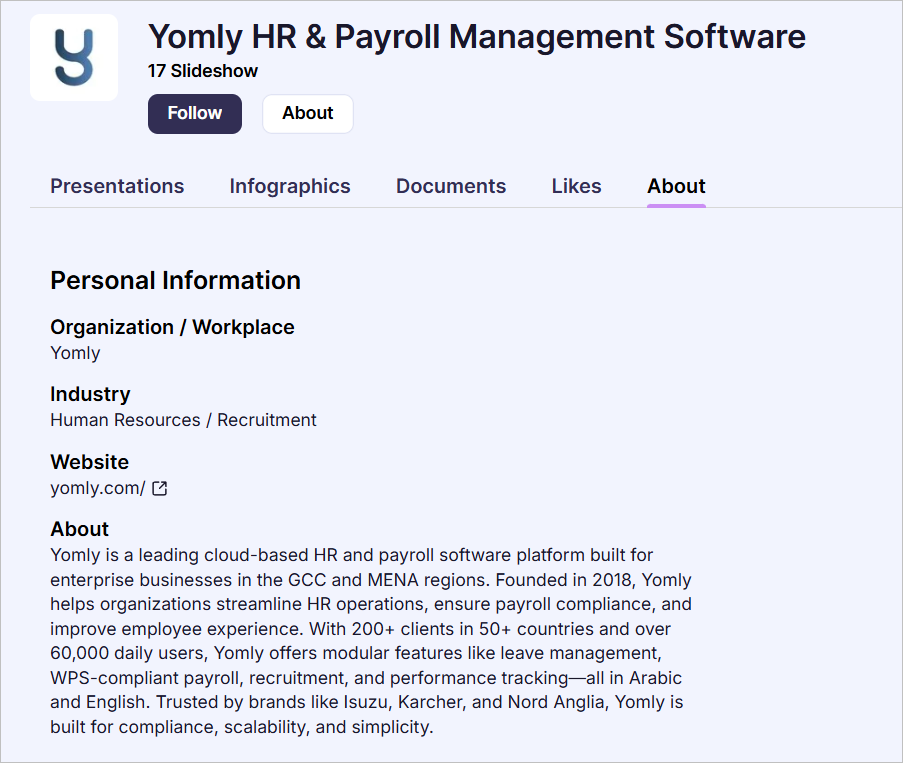
This helps search engines connect the information across different sources. Also, add your website link so people can easily connect your SlideShare profile with your main website.
Here’s how keywords are strategically mentioned across SlideShare presentations’ description.
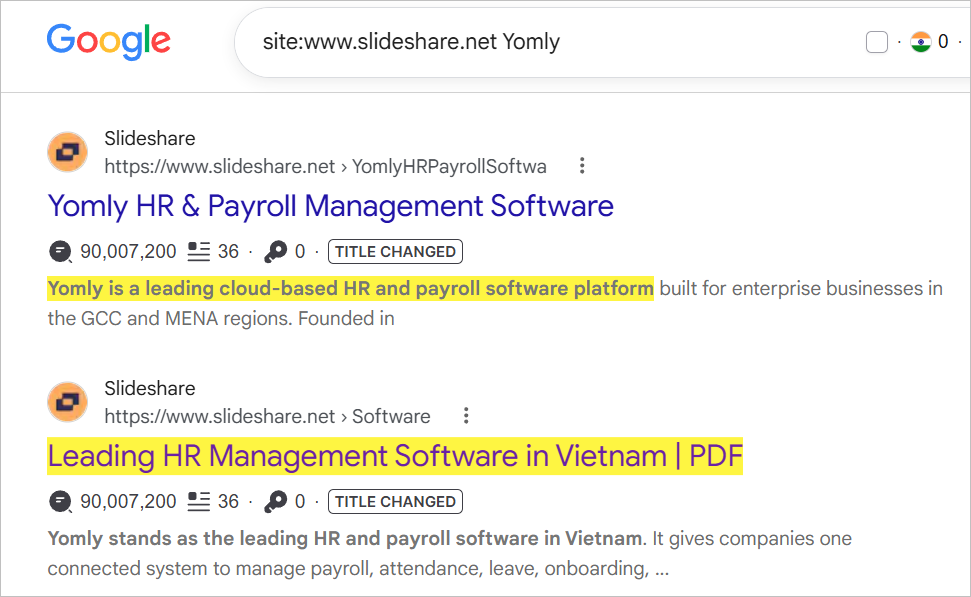
On the other hand, presentation document page gives you another opportunity.
Do not upload a deck with a generic title like “Company Presentation 2026” and leave the description empty. Use the target keyword naturally in the title and description, explain what the presentation covers, and add useful facts about your company.
For example, if you are publishing a presentation about your HR software, the description could mention the number of companies using the platform, the countries you operate in, the number of users, or other genuine company facts.
For Yomly, we used its public social proof in this way, including the fact that it is trusted by more than 200 companies across 50+ countries.
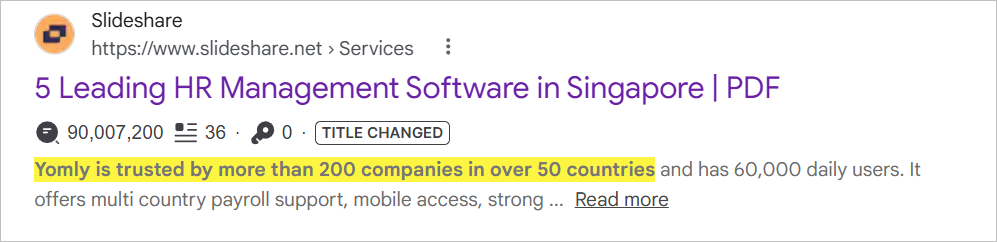
These details matter because they give search systems clear information about the entity behind the presentation.
In fact, local businesses can also use the description to include accurate business details such as the company name, location, website, phone number, and service area.
👉 Learn how we did SaaS SEO for Brands like Yomly and generated massive growth in organic leads.
4. Medium posts
There is a big difference between a company saying, “Our customers love us,” and 20 customers independently explaining why they chose and used the product. That is where Medium becomes interesting.
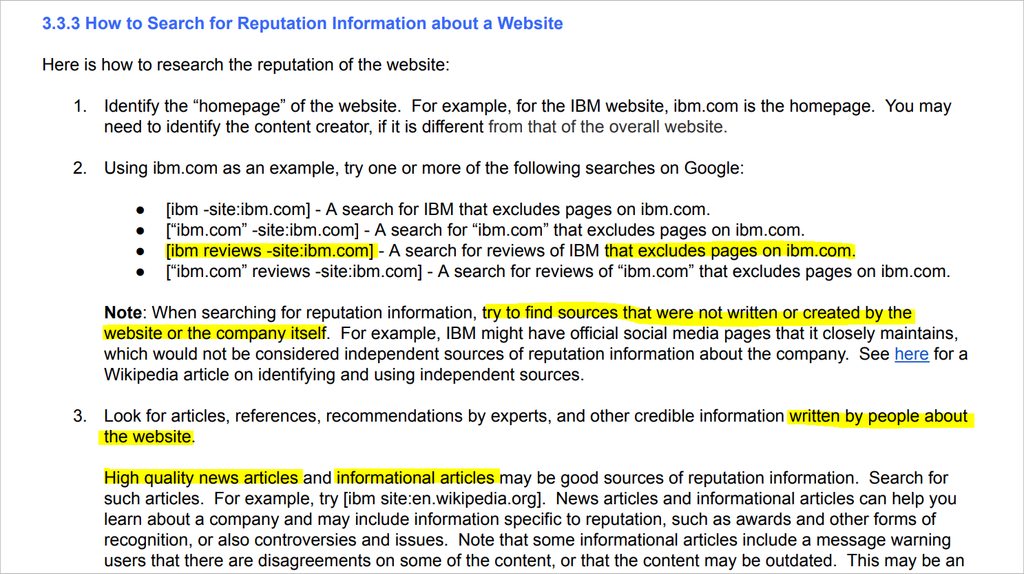
Google’s Quality Rater Guidelines (p. 23) also place importance on understanding what people say about a brand or entity outside its own website. As a result, reviews and discussions from independent creators, such as articles, videos, podcasts, and other first hand experiences, can provide useful context about a brand.
If you sell a SaaS product, run a course, operate a training institute, or provide a professional service, your customers can share their genuine experiences through their own Medium profiles. They can explain what they used, what they learned, what results they achieved, and whether they would recommend it.
This gives your brand something your own marketing content cannot create on its own: independent experiences from real people.
That content is much more useful than asking everyone to publish the same five star testimonial on your website.
Take CXL as an example:
As part of CXL’s scholarship program, students have to share their learning experiences and outcomes through personal articles. One example is from Diego Traini’s detailed review article about the CXL Growth Marketing Mini Degree.
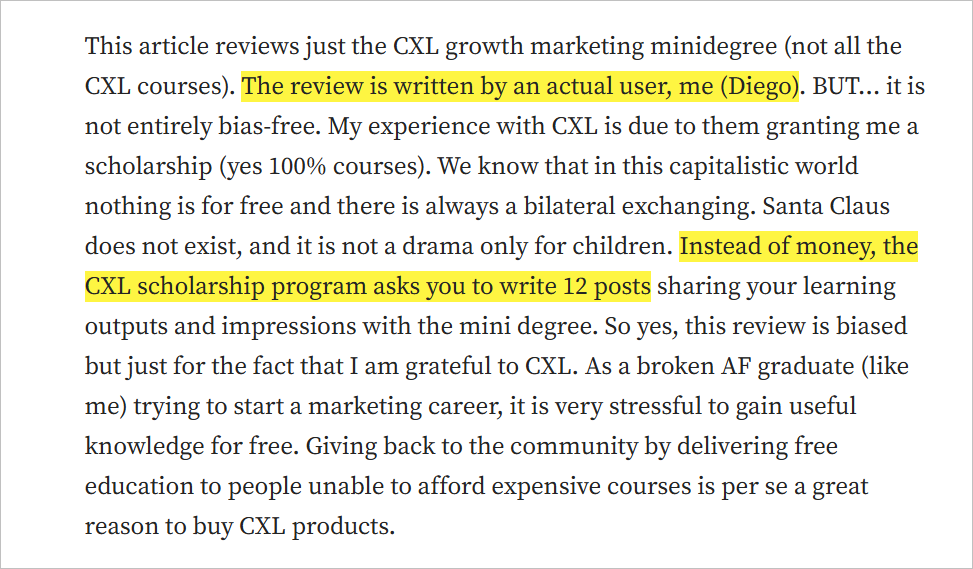
But the interesting part is not just one review. There are already thousands of Medium articles written by individuals about their experience with CXL’s courses and programs.
Search for CXL’s minidegree course review and you will find 1000+ articles from students or marketers sharing what they learned, what they thought about the courses, and how they applied the knowledge.
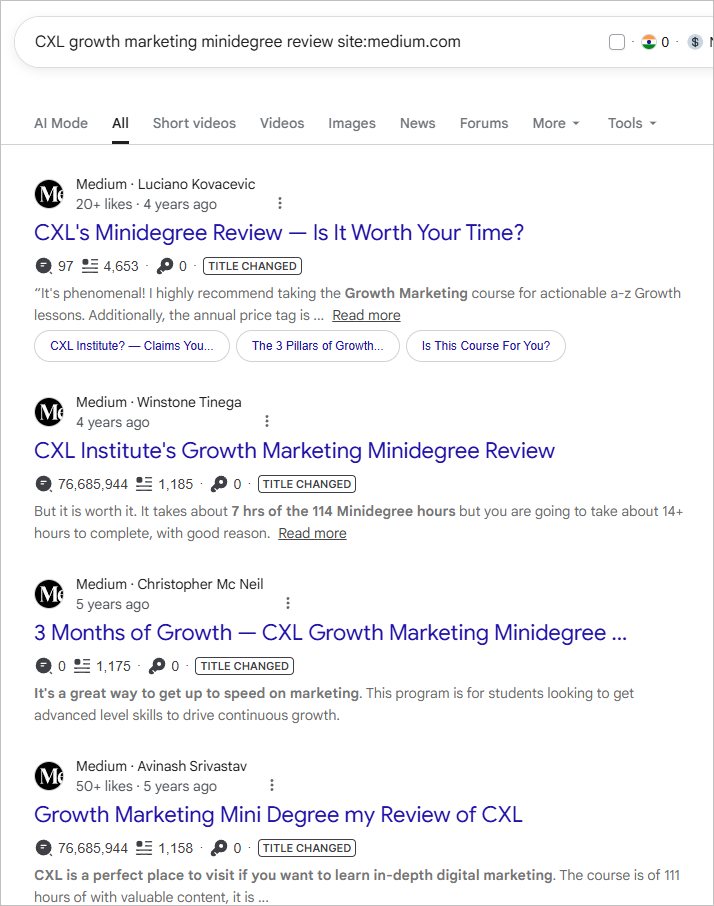
Now imagine someone searches for “CXL review”. They are not just finding CXL’s own website. They can find experiences written by people who actually took the course.
That distinction is important for branded searches. Independent experiences can provide context that a company’s own marketing pages cannot.
Medium is therefore not something you should use to publish dozens of articles pretending to be independent reviews. Instead, give real customers the opportunity to share their experience if they genuinely want to.
For a brand, 30 honest customer experiences written by real people can tell a much stronger story than 30 testimonials written by the marketing team.
5. Digital Press Release
Digital PR is not a typical UGC platform, but it still deserves a place in this list because brands have much more control over the information that gets published about them.
A digital press release gives you another public page that explains what your company does, what it offers, where it operates, and what it is currently doing. When that information appears on relevant news and press release websites, it becomes another source that search engines and AI search systems can discover.
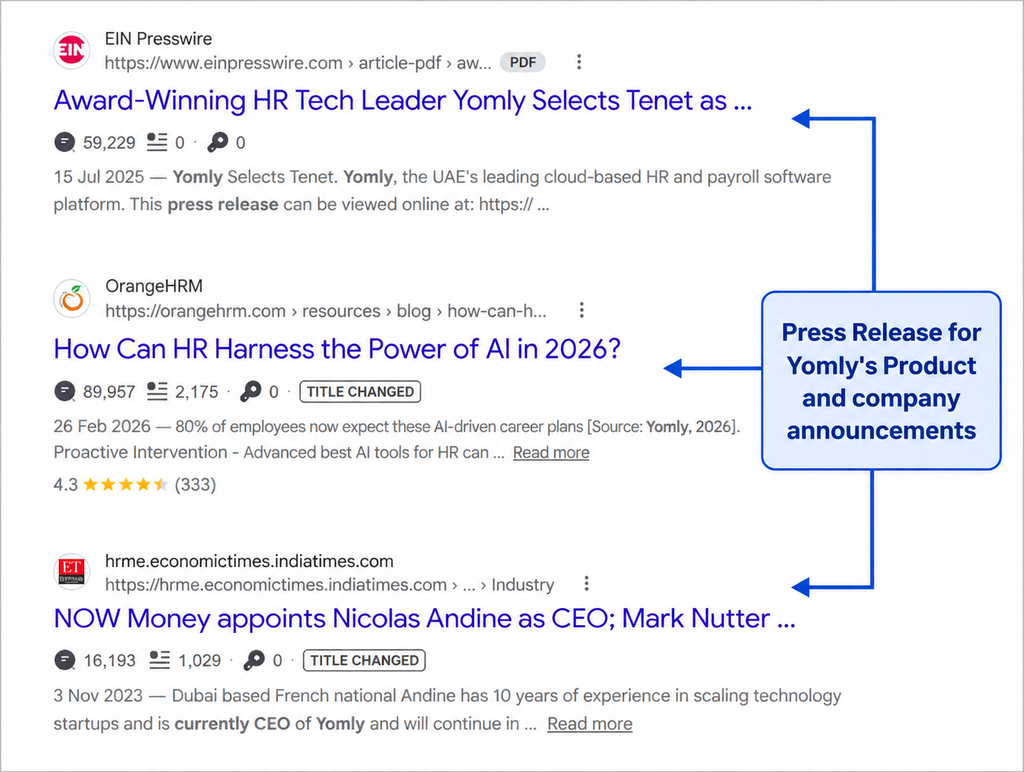
The bigger opportunity is consistency. If your website describes you as an “enterprise HR software provider,” your press releases should reinforce the same positioning instead of describing the company differently every time. The same applies to your services, locations, products, founders, and other important brand information.
You can also use a press release to put a specific topic around your brand. A product launch, new market, partnership, research report, or major company milestone can naturally connect your brand with the service or industry you want to be known for.
For example, we ran a few press releases announcing the opening of our Dubai branch.
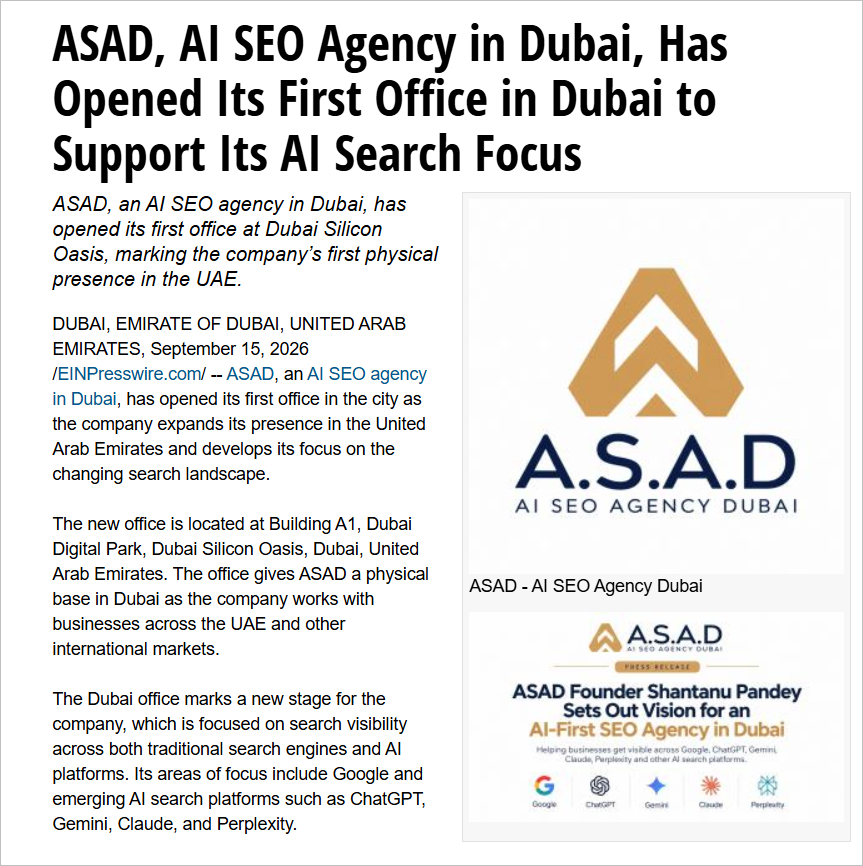
Read how we planned some of our digital press releases around ASAD (AI SEO Agency Dubai):
- ASAD, AI SEO Agency in Dubai, Has Opened Its First Office in Dubai to Support Its AI Search Focus
- ASAD’s AI-First SEO Strategy Helps Businesses Improve ChatGPT Visibility Within Three Months
Do not use Digital PR just to build backlinks. Use it to share real news, keep your brand positioning consistent, and give search engines more useful information about your company.
Final words
Your website is only one part of your brand’s online presence. This article explains how genuine UGC and third party content can create a wider information footprint around your brand across Google and AI search. Instagram, LinkedIn, SlideShare, Medium, and Digital PR give brands different ways to publish useful information, while review platforms such as Trustpilot, G2, and Capterra can add independent customer experiences.
The key is to focus on real experiences, consistent brand information, and useful content rather than trying to manipulate AI responses.
FAQs
Can user generated content affect AI responses about a brand?
It can contribute to the information AI systems find about your brand. Customer reviews, creator posts, articles, discussions, and other third party content can give AI systems more context about what your brand does and what people say about it.
However, there is no guarantee that a specific piece of UGC will appear in an AI response.
How do AI search engines use third party content about brands?
AI search systems can use information from across the web when answering questions about a brand.
This can include reviews, social posts, articles, videos, community discussions, and other public sources. Third party content can therefore add perspectives that your own website may not cover.
Can customer reviews influence AI responses about a brand?
Genuine customer reviews can add useful information about people’s experiences with your brand. Platforms such as Trustpilot, G2, and Capterra can provide another source of third party information for people and search systems researching your company.
The value comes from honest experiences, not from creating reviews simply to get your brand mentioned.
Can Instagram and LinkedIn posts appear in Google?
Yes, public content from eligible Instagram professional accounts can be indexed by search engines, and public LinkedIn posts, articles, and newsletters (e.g. Substack) can also appear in Google.
This means useful posts about your products, services, case studies, or customer experiences can become part of your brand’s searchable content footprint.
Can Medium articles help with branded searches?
They can. When customers, students, creators, or industry professionals publish genuine experiences from their own Medium profiles, those articles can provide information beyond your company’s own marketing content.
For searches such as “[Brand] review,” these independent experiences can give people another perspective on the brand.
How can brands build genuine third party social proof?
Start by giving real customers and creators a reason to share their experiences. Depending on your industry, this could include reviews on G2 or Capterra, customer posts on LinkedIn, creator content on Instagram or YouTube, Medium articles, Reddit discussions, or coverage through digital PR.
Therefore, keep the information factual and consistent, but let people describe their experiences in their own words.